Harringay Ladder deep clean for Victorian terraces
Posted on 04/05/2026
Harringay Ladder Deep Clean for Victorian Terraces: A Practical Local Guide
If you live in the Harringay Ladder, you already know the appeal of a Victorian terrace. High ceilings, original features, narrow hallways, old floorboards, sash windows that stick just a bit in winter... lovely, but they gather grime in places a quick tidy never reaches. That is where a proper Harringay Ladder deep clean for Victorian terraces earns its keep. It is not just about making the place look good for a weekend. It is about lifting out built-up dust, kitchen grease, soot, limescale, pet hair, and the little bits of everyday life that settle into period homes over time.
This guide explains what a deep clean really involves, why Victorian terraces need a different approach, and how to plan one properly without damaging original materials or wasting money on the wrong service. You will also find a checklist, a comparison table, practical tips, and a few local notes to help you decide whether to tackle it yourself or book professional support. Truth be told, a lot of the value here is in the detail.
Why Harringay Ladder deep clean for Victorian terraces Matters
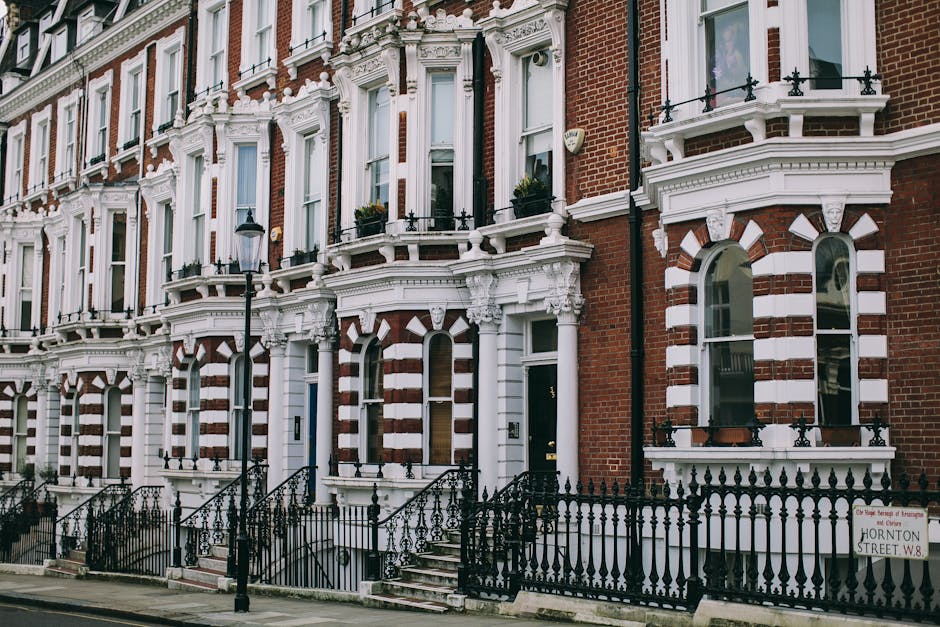
Victorian terraces in the Harringay Ladder tend to hold onto dirt differently from newer homes. The layout is often tighter. Rooms connect in a way that channels dust and cooking residue through the whole house. Cornices, picture rails, fireplaces, banisters, and skirting boards all collect debris in the tiny grooves and edges. Add family life, commuting, dogs, radiators, and London traffic dust drifting in through open windows, and you get a home that can look tidy on the surface but still feel tired.
A deep clean matters because period properties often hide buildup where you cannot see it immediately. Behind radiators, inside cupboard edges, around sash window tracks, under staircases, and in the corners of tiled hearths. If you have ever wiped a skirting board and found it grey on the cloth straight away, you will know the feeling. That is not a cleaning fail, just a sign the job needs more than a standard surface clean.
There is also the preservation angle. Victorian homes often use materials and finishes that benefit from careful, methodical cleaning rather than heavy-handed scrubbing. Original woodwork, old paint, decorative tiles, cast iron, and older stone or ceramic surfaces can all be sensitive. A rushed clean can do more harm than good. So the aim is not brute force. It is controlled, thorough cleaning with the right method for each surface.
For many local households, deep cleaning is also about timing. A spring reset, a post-renovation tidy-up, a move-in clean, or preparation before guests, tenants, or buyers arrive. If you are thinking more broadly about home upkeep in the area, the guidance on what locals say about Harringay life gives a nice sense of how homes here are lived in, not just looked at.
Expert summary: In a Victorian terrace, deep cleaning is as much about preservation as appearance. The best results come from a slow, room-by-room approach that respects older materials and the quirks of the property.
How Harringay Ladder deep clean for Victorian terraces Works
A proper deep clean starts with assessment, not scrubbing. That sounds obvious, but it is where a lot of poor results begin. A cleaner needs to understand the condition of the property, the materials used, the problem areas, and the priorities. A home with damp-prone corners or layered renovation dust needs a different plan from a family terrace with heavy foot traffic and years of pet hair. The better the assessment, the cleaner the result.
In practical terms, the process usually has four stages:
- Survey and prioritise the rooms, surfaces, and hotspots that need the most attention.
- Dust and dislodge debris from high and hidden areas before wet cleaning begins.
- Deep clean by surface type, using suitable products and methods for wood, tile, enamel, glass, fabric, and metal.
- Finish and inspect so you can spot missed marks, streaks, or residue before the job is done.
For Victorian terraces, the order matters. If you mop floors before dusting cornices, you may just move grime around. If you steam a delicate surface without testing it first, you can create damage. The sequence is there for a reason. A good cleaner will move from top to bottom, dry to wet, and from the least dirty areas to the dirtiest. Not glamorous, but it works.
It also helps to split the job into zones. Hallway and stairs. Reception rooms. Kitchen. Bathrooms. Bedrooms. Loft or cellar if used. That way, you can track progress in a house that may be long, narrow, and more physically demanding than a modern flat. Anyone who has carried a vacuum up a Victorian staircase on a warm day knows that little sigh of defeat. Happens to the best of us.
If the property is being prepared for sale or rental, a deep clean can sit neatly alongside other planning steps. Homeowners often pair cleaning with pre-sale prep after reading practical local guidance such as top tips for buying in Harringay or how to buy real estate in Harringay. The principle is simple: present the home honestly, but at its best.
Key Benefits and Practical Advantages
The most obvious benefit is visual. A deep clean makes rooms brighter, fresher, and more welcoming. Yet the real advantage goes beyond appearance. In Victorian terraces, hidden dirt can contribute to stale smells, dull finishes, and a general sense that the house needs attention even when it has been tidied. Removing that build-up can change how the whole property feels.
- Better air feel indoors: Dust removal from skirting boards, upholstery, and soft furnishings can make rooms feel less heavy.
- Improved hygiene in key zones: Kitchens, bathrooms, handles, switches, and high-touch areas get proper attention.
- Preservation of older features: Gentle care can help wood, tile, and metal details last longer.
- Better inspection readiness: Useful before tenancy changes, property viewings, or family visits.
- Less stress later: Once the deep clean is done, weekly upkeep is easier. Much easier, actually.
There is a small but real emotional benefit too. Older homes can begin to feel a bit sticky or weighed down when grime accumulates in corners and along edges. After a proper clean, rooms often feel calmer. The house breathes a little more. On a grey London afternoon, that matters more than people admit.
And if you are already investing in the wider home, it makes sense to connect the clean with maintenance choices. For example, a carpet refresh can make a huge difference in a terrace landing or front room, which is why services like carpet cleaning in Harringay are often part of the same plan. Upholstery is another common culprit; sofas absorb everyday life fast, so upholstery cleaning in Harringay can round off the job nicely.
Who This Is For and When It Makes Sense
This kind of clean is especially useful for homeowners in older terraces, landlords between tenancies, buyers moving into a period property, and anyone who has fallen behind on the sort of detail cleaning that gets missed in normal routines. If the house has been busy, lightly neglected, or recently renovated, the case becomes even stronger.
Typical situations include:
- Move-in situations: You want to start with a truly clean base, not just a visually tidy one.
- Move-out or tenancy changes: Deep cleaning can help a property present well and support handover expectations.
- Post-renovation: Fine dust gets everywhere. Seriously, everywhere.
- Family homes with high traffic: Kitchens, hallways, and stairs take a beating in everyday use.
- Homes with pets: Hair, odours, and paw marks tend to gather in soft and hard-to-reach places.
It also makes sense if you are comparing a standard domestic clean with something more intensive. A regular clean keeps on top of day-to-day mess. A deep clean is for the built-up stuff: behind appliances, under furniture, inside edges, and the areas that make a house feel older than it should. If you want a fuller picture of service options, the services overview is a sensible place to start.
For renters and landlords, a deep clean can fit into a broader end-of-tenancy process. That is where end of tenancy cleaning in Harringay becomes relevant, especially when period features need careful handling rather than a one-size-fits-all approach.
Step-by-Step Guidance
If you want to approach a Harringay Ladder Victorian terrace deep clean properly, work methodically. There is a rhythm to it. Not a fancy one, just a sensible one.
- Declutter first. Clear surfaces, move loose items, and gather anything that blocks access to edges, corners, and under furniture.
- Start high. Dust light fittings, coving, picture rails, curtain poles, and the top edges of cupboards before touching lower surfaces.
- Deal with dry dust before wet cleaning. Vacuum or wipe down loose debris so it does not smear into paste when products are applied.
- Focus on the kitchen. Remove grease from splashbacks, cupboard fronts, handles, extractor areas, and appliance exteriors.
- Move through bathrooms carefully. Descale taps, clean grout, polish glass, and avoid harsh methods on sensitive fittings.
- Give attention to period details. Banisters, skirting boards, fireplaces, tiled hearths, and door frames often need hand cleaning.
- Vacuum thoroughly. Use attachments for stairs, edges, and upholstery seams.
- Mop and finish floors last. Wood, tile, and stone may need different products or only minimal moisture.
- Inspect under daylight if possible. Morning or late afternoon light can reveal streaks and missed dust better than overhead bulbs.
On a practical note, do not try to "save time" by doing the most visible areas first. That feels efficient for about ten minutes, then the dust from above drops down and ruins the finish. A bit annoying, really.
If you are hiring help, this is also the stage where communication matters. Show the cleaner any tricky areas: loose grout, fragile paint, water stains, persistent odours, or original features that need a gentle touch. Better to say it upfront than hope they guess.
Expert Tips for Better Results
The best deep cleans are not always the most aggressive. They are the most patient. That is especially true in Victorian terraces, where older materials can react badly to overly wet methods or strong chemicals.
- Test products in a small hidden area first. Especially on painted wood, old tile, and natural stone.
- Use microfibre cloths for detail work. They pick up dust well and are kinder to surfaces than rough pads.
- Keep moisture controlled. Old floorboards and original joinery do not like being soaked.
- Let cleaning products dwell briefly where safe. This helps loosen grime without extra scrubbing.
- Work in sections. Finish one room or one zone before moving on. It keeps the job manageable.
- Don't forget airflow. A room that has been shut up for a while often benefits from a proper airing once the cleaning is done.
One small but useful tip: if a room smells dusty even after it looks clean, check fabric-heavy items and hidden ledges. The smell usually lives in soft furnishings, behind radiators, or inside neglected corners. You rarely need to tear the room apart. Usually it is just a few stubborn places hanging on.
For house-wide upkeep, it can also help to schedule cleaning around the way the home is used. A busy family hallway, for example, might need more frequent attention than a spare room. The same is true for home offices, which often collect cables, paper dust, and coffee cup rings in an oddly efficient way. If that sounds familiar, house cleaning in Harringay or domestic cleaning support can be worth considering between deep cleans.

Common Mistakes to Avoid
Some cleaning mistakes are harmless. Others are the sort you notice only after the room dries and the damage is there. Victorian terraces deserve a careful approach, so these are the most common issues to avoid.
- Using too much water on wood. Old floorboards, skirting, and doors can warp or stain.
- Scrubbing original finishes too hard. This can strip paint or mark delicate surfaces.
- Skipping the prep work. If you do not dust first, you just spread dirt around.
- Forgetting hidden zones. Behind radiators, under stairs, and along the back of toilets are classic misses.
- Using one product for everything. Kitchens, bathrooms, glass, fabrics, and wood each need different handling.
- Cleaning in the wrong order. Floors last. Always last, or close to it.
A quieter mistake is underestimating how long the job takes. Period terraces are characterful, which is a polite way of saying they have more corners, edges, and awkward bits than a modern box. If you rush, the result will show it. If you pace it properly, the difference is obvious.
Another common one: trying to turn a deep clean into a renovation fix. It is not magic. If something is mouldy, damaged, flaking, or structurally worn, cleaning alone will not solve it. Better to clean what can be cleaned, then decide what needs repair.
Tools, Resources and Recommendations
You do not need a van full of gadgets to deep clean a Victorian terrace, but a few good tools make life much easier. Quality matters more than quantity here.
| Tool or Product | Best Use | Why It Helps in Victorian Terraces |
|---|---|---|
| Vacuum with attachments | Stairs, edges, upholstery, skirting gaps | Reaches awkward Victorian details and picks up fine dust efficiently |
| Microfibre cloths | Dusting, polishing, gentle surface wiping | Kind to older finishes and good for detailed work |
| Soft brush or detailing brush | Rails, hinges, grooves, vents, tiles | Helps lift dirt from carved or textured features |
| Non-abrasive cleaner | General surfaces, painted wood, sealed areas | Reduces the risk of marking older surfaces |
| Glass cleaner or mild solution | Mirrors, internal glass, windows | Useful for sash windows and older panes where streaks show easily |
| Floor-safe cleaner | Wood, tile, or sealed stone, depending on the finish | Protects floors that may be original or sensitively restored |
If you are weighing up whether to bring in professional help, it is worth checking the company's approach to safety, product handling, and insurance. A good place to understand the wider framework is insurance and safety. That kind of page tells you a lot about how seriously a business takes the job.
For pricing questions, a transparent service should be comfortable discussing scope, room count, condition, and access issues before giving a quote. The page on pricing and quotes is useful if you want a clearer sense of how estimates are handled. No mystery. No fluff.
Law, Compliance, Standards, or Best Practice
A deep clean in a Victorian terrace is not usually a regulated service in itself, but best practice still matters. In the UK, reputable cleaning providers are generally expected to work safely, use products appropriately, and avoid careless damage to property or fittings. That includes being clear about what is and is not included, especially in homes with older materials or delicate finishes.
If you are hiring a cleaner or cleaning company, a few practical expectations are worth keeping in mind:
- Risk awareness: Slips, trip hazards, electrical items, and fragile objects should be considered before work begins.
- Product suitability: Strong chemicals should not be used just because they are strong.
- Clear scope: Everyone should understand the difference between a deep clean, an end-of-tenancy clean, and specialist stain removal.
- Property care: Older homes may require gentler handling, especially where paint, sealant, or finishes are aged.
If you are a tenant, landlord, or managing agent, it is sensible to keep documentation and expectations tidy. That includes any agreed checklist, access notes, and payment terms. For general trust signals, pages such as terms and conditions, payment and security, and the complaints procedure are the sort of support material that show how a provider handles issues properly.
One more thing: accessibility matters too. Victorian terraces can be awkward for some visitors or residents because of steps, tight halls, or narrow landings. If you need to plan around that, the accessibility statement is worth a look. Small detail, big difference.
Options, Methods, or Comparison Table
There is no single best way to deep clean a terrace. The right choice depends on condition, time, budget, and how much care the property needs. Here is a simple comparison that may help.
| Approach | Best For | Strengths | Limitations |
|---|---|---|---|
| DIY deep clean | Routine refreshes, lighter buildup, smaller homes | Lower cost, flexible timing, full control over products | Time-consuming, easy to miss hidden areas, can be hard work |
| Professional deep clean | Busy households, move-ins, move-outs, post-renovation cleans | More efficient, more thorough, better handling of tricky areas | Higher upfront cost, needs clear communication |
| Room-by-room staged clean | Large terraces or homes that need work spread over time | More manageable, less disruption, easier to prioritise | Can take longer overall and needs planning |
For many Harringay Ladder homes, a staged clean is the sweet spot. You might begin with the kitchen and bathroom, then tackle the hallway and stairs, then move into reception rooms and bedrooms. That keeps the project sane. No one needs to spend their whole Saturday wrestling with a staircase and a bucket.
If you are trying to decide between cleaning types, the broader domestic support pages can help. A standard clean may be enough for upkeep, while a deeper service is better after a period of neglect, refurbishment, or tenancy change. Matching the method to the mess is the whole game.
Case Study or Real-World Example
Picture a typical Victorian terrace on the Ladder: narrow hallway, two reception rooms, a compact kitchen, and upstairs bedrooms with painted woodwork and original doors. The home looks respectable at a glance, but a closer look shows dust along the dado rail, grease around cupboard handles, a faint smell of cooking in the curtains, and dirt in the stair corners where the hoover rarely reaches.
In a real-world style deep clean, the work might start in the hallway. Bannisters, skirting boards, the front door interior, and the stairs get detailed attention first. Then the kitchen: cupboard fronts, backsplash, extractor hood, sink taps, appliance exteriors, and the floor edges. The reception rooms follow, with attention to fireplaces, window frames, radiator tops, and upholstery seams. Bedrooms are finished with dusting, vacuuming, and a careful look at the less obvious spots, like behind furniture and around light switches.
The result is not just a shinier house. It is a house that feels less crowded by old dirt. The light comes through better. The hallway looks wider. The fabric smells fresher. You notice the detail in the cornice again, which is probably why you liked the property in the first place. A small thing, maybe, but these homes are built on small things.
For someone preparing to sell or rent, that kind of reset can make a strong difference to first impressions. If the next step is property-related, local reading such as local favourites and hidden gems in Harringay can also help you see how the area's everyday character shapes buyer and tenant expectations. Location matters, but so does how a home feels when you walk through the door.
Practical Checklist
Use this quick checklist before a Harringay Ladder terrace deep clean. It keeps things tidy in your head before they get messy in the house.
- Clear floors, window sills, and surfaces of clutter.
- Identify fragile or heritage features that need gentle cleaning.
- Note any stains, damaged paint, loose tiles, or leaks.
- Vacuum or dust high areas before any wet work starts.
- Prepare the right cloths, brushes, and cleaners for each surface.
- Protect wood, sockets, and sensitive fittings from excess moisture.
- Clean the kitchen and bathroom thoroughly first if they are the dirtiest zones.
- Work from top to bottom and room to room.
- Check behind radiators, under furniture, and along skirting boards.
- Finish with floors, then inspect with daylight if possible.
- Air the house once the clean is complete.
- Book follow-up upkeep before the buildup starts again.
That last point is underrated. A deep clean is great, but maintenance is what keeps the place feeling decent week after week.
Conclusion
A Harringay Ladder deep clean for Victorian terraces is really about respecting the shape, age, and rhythm of the home. These properties are full of charm, but that charm sits on top of details that need proper care. If you clean them thoughtfully, the house feels brighter, fresher, and easier to live in. If you rush them, you can end up doing more harm than good.
The best approach is simple: assess first, clean in the right order, use suitable products, and give older features the gentle handling they deserve. Whether you are moving in, moving out, refreshing a family home, or tackling a post-renovation mess, a careful deep clean can make a real difference. Not flashy. Just genuinely useful.
If you are comparing service options, checking trust pages, or thinking about what level of help you actually need, take your time and choose a service that understands period homes. That is usually the sensible move. And sometimes the nicest one too.
Get a free quote today and see how much you can save.
There is something satisfying about bringing an old house back to itself. Clean, calm, and ready for the next chapter.