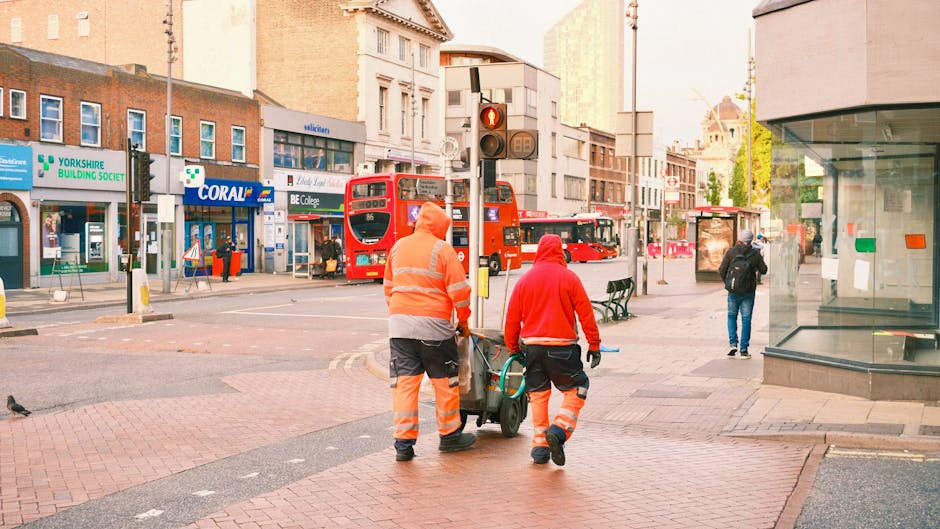
What to know about access issues for Harringay cleaners
Posted on 22/06/2026
If you are arranging a clean in Harringay, access can make the difference between a smooth visit and a frustrating delay. That sounds obvious, but in practice it is where many jobs get complicated: a key left with a neighbour, a buzzer that does not work, a tight stairwell, no parking outside, or a property where the cleaner cannot reach the room that needs attention most. What to know about access issues for Harringay cleaners is really about planning the visit so the clean can happen properly, on time, and without avoidable stress.
In a busy North London area like Harringay, homes and workplaces vary a lot. You get Victorian terraces, converted flats, maisonettes, shared houses, new-build apartments, offices above shops, and properties tucked away off the main roads. Each one brings a different access challenge. The good news? Most of these issues are easy to handle once you know what to look out for. This guide breaks it down in a practical way, with real-world examples, sensible expectations, and a few hard-earned tips from everyday experience.
For readers who want to understand the wider service picture as well, you may also find our services overview helpful, especially if you are comparing domestic, house, office, or specialist cleaning options.
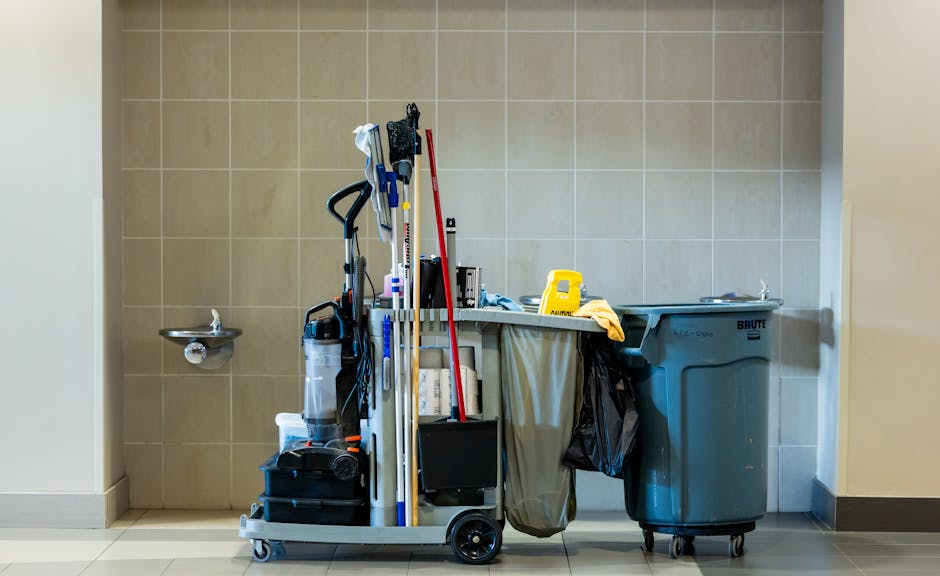
Why What to know about access issues for Harringay cleaners Matters
Access sounds like a small operational detail, but it affects almost everything: punctuality, quality, safety, cost, and whether the cleaner can complete the job in one visit. If a cleaner arrives and cannot get in, the appointment may need to be rescheduled. That means time lost for everyone. If the cleaner can get in, but only after a long wait or with repeated calls to different people, the job can start late and the rest of the day gets squeezed. Nobody wants that, least of all the person paying for the service.
There is also a quality angle. A rushed clean is not the same as a proper clean. If access problems shorten the time available, the cleaner may need to prioritise the most visible or urgent areas first. That can be sensible, but it is not ideal if you expected a full top-to-bottom service. In our experience, this is where frustration often starts: the customer thought everything was fine, while the cleaner spent twenty minutes trying to get through a front door, find the right flat, or locate the utility room.
In Harringay, the local layout makes this even more relevant. Some properties sit on busy roads where stopping is awkward. Others are in older buildings with narrow hallways, steep stairs, or shared entrances. A cleaner may be dealing with one locked communal door and another private door beyond it. If you have ever balanced shopping bags, a delivery, and a key card at the same time in the rain, you already know how quickly access can become a nuisance.
There is a trust element too. Clear access arrangements reduce misunderstandings. They show that the customer has thought ahead and that the cleaner can arrive prepared. That is especially valuable for recurring domestic cleaning, end-of-tenancy work, and office cleaning where timing matters and the property may not be occupied the whole day.
How What to know about access issues for Harringay cleaners Works
Access planning is basically the process of making sure the cleaner can enter, move through, and leave the property without avoidable barriers. Simple enough on paper. In real life, there are several moving parts.
1. Entry to the building
This is the first gate, literally. The cleaner may need a key, a door code, a buzz-in from reception, or someone to be present at the start of the booking. For houses, this is often straightforward. For apartments, it may involve a communal entrance, a lift code, or instructions for finding the right block. If the building has multiple similar doors, the cleaner needs to know which one is yours. Otherwise, it is a bit like trying to find the right platform in a rush with half the signage hidden.
2. Movement inside the property
Once inside, the cleaner needs enough space and access to the rooms included in the booking. That can be affected by locked rooms, stacked furniture, blocked hallways, storage boxes, pets, or someone working from home in the same space. A cleaner cannot properly tackle a bedroom if the door is jammed shut by a wardrobe, and they should not be expected to reach behind every appliance if the space is packed floor to ceiling.
3. Access to utilities and equipment points
Some cleaning tasks need water, electricity, or a working vacuum socket. This matters more for deeper work such as carpet cleaning or upholstery cleaning, where setup time is part of the job. If a property has tripped electrics, a broken tap, or no clear working area to set up equipment, the cleaner may need to adapt. That is normal, but it is best handled before arrival, not halfway through a visit.
4. Exit, handover, and security
Access is not only about getting in. The property also needs to be left secure afterwards. If a key is collected, passed on, or returned to a neighbour, the arrangement should be agreed in advance. For managed properties, the cleaner may need to report when they enter and leave, especially if the resident is not present. Keep it simple and clear. It saves everyone a headache.
If you are arranging a one-off job and timing is tight, a quick-booking style service can help, but only if access details are complete from the start. For same-day or short-notice situations in particular, it helps to look at our note on same-day cleaning in the N4 Green Lanes area because speed and access tend to go hand in hand.
Key Benefits and Practical Advantages
Sorting out access properly gives you more than convenience. It improves the whole service experience. Here are the main benefits, with a practical slant rather than the usual brochure language.
- Fewer delays: the cleaner starts on time instead of waiting outside or calling multiple contacts.
- Better cleaning results: more of the booked time goes into actual cleaning, not troubleshooting.
- Lower risk of missed areas: if every room and relevant area is accessible, nothing gets overlooked by accident.
- Less stress for the customer: you are not fielding last-minute calls while trying to work, commute, or manage children.
- Safer working conditions: a cleaner who knows the layout, entry points, and hazards can work more carefully.
- Better for recurring visits: once access is standardised, weekly or fortnightly cleans become very straightforward.
A small but important advantage is consistency. When a cleaner knows the property routine, they can focus on the actual standard of cleaning. They do not need to reinvent the process every time. That kind of consistency is underrated. It is also one of the reasons long-term customers often report a calmer, smoother experience.
Another benefit, especially for landlords and tenants, is smoother handover. If access is carefully handled for an end-of-tenancy clean, it is easier to keep to schedules and avoid that awkward scramble where one person is waiting for another to drop off keys. If you are dealing with a move, you might also find our guide to top tips for buying in Harringay useful, because property timing and access logistics often overlap in real life.
Who This Is For and When It Makes Sense
This topic matters to more people than you might expect. It is not just for landlords or people with complicated apartment blocks. Pretty much anyone booking a cleaner in Harringay should think about access ahead of time.
Homeowners
If you are at home during the clean, access may seem simple. Still, it helps to think ahead about parking, pets, alarms, and which rooms should be open. Homeowners often assume the obvious details will sort themselves out. They do not always. A cleaner standing at the back gate wondering whether they should enter the garden is a tiny thing, but these tiny things add up.
Tenants and flat-sharers
Shared homes can be trickier. One person has the key, another is at work, and the cleaner has been told "someone will be in." That is usually where the delay starts. If you live in a flat-share, make sure one named person is responsible for access, or set out the exact key handover plan in writing.
Landlords and letting agents
For end-of-tenancy or pre-let cleaning, access is often time-critical. The cleaner may need to work between checkout, inventory, repairs, and the next tenant move-in. If one stage slips, everything slips. In that scenario, clear access instructions are not a nice-to-have; they are essential.
Office managers and small businesses
Offices bring their own quirks: alarm systems, reception desk procedures, lock-up routines, and possibly split access for different floors. If your business operates near busy transport links, such as the station area, timing matters even more. There is a practical reason local firms often ask about exact entry instructions in advance. It is not fussiness. It is efficiency.
For businesses comparing cleaning schedules or service types, the office cleaning options for Harringay can be a useful starting point when thinking about access, frequency, and security.
Step-by-Step Guidance
Here is a sensible way to handle access issues before the cleaner arrives. Keep it simple. That is usually the best approach.
- Confirm the exact address and entry point. If there are multiple doors, courtyards, rear entrances, or intercoms, state which one to use.
- Decide how entry will happen. Will someone be home? Is there a key safe? Is the key with a neighbour? Are there building codes? Write it down.
- Share the access window. If the cleaner can arrive within a certain period, say so. If the front desk closes at 5 p.m. or the block entry is only open at certain times, mention that too.
- Flag known hazards or restrictions. This includes broken locks, pets, fragile items, steep stairs, low lighting, or rooms that should not be entered.
- Prepare the space. Move personal items, clear obvious trip hazards, and make sure the cleaner can reach sinks, sockets, and main working areas.
- Confirm parking or loading details. If parking is difficult, mention the nearest realistic option. In busy parts of Harringay, this can be the difference between a relaxed start and a very grumpy one.
- Reconfirm on the day if needed. For time-sensitive jobs, a short message can prevent a surprising number of issues. Not glamorous, but effective.
A useful way to think about it is this: the cleaner should arrive ready to clean, not ready to solve a logistics puzzle. That is the target.
Expert Tips for Better Results
After enough cleaning jobs, certain patterns become very clear. These are the little habits that prevent access trouble before it starts.
Give one clear contact person
Too many cooks, as the saying goes. If three different people answer the cleaner's calls, instructions can clash. One point of contact is usually enough.
Write access instructions in plain English
Do not assume everyone knows the building nickname, side gate habit, or "the blue door beside the bins." Use straightforward directions. If you need to mention a local landmark, keep it secondary, not the main instruction.
Test codes and keys in advance
This one sounds painfully basic, but it saves embarrassment. Check that a buzzer works, a keypad code is current, and a key actually opens the lock. There is nothing quite like arriving early, only to discover the key is decorative. Annoying, yes. Common, also yes.
Leave room for equipment
If you need carpet or upholstery work, make sure there is space for equipment to be brought in safely. That means enough floor room, a clear route through hallways, and no fragile clutter blocking the way.
Match the booking type to the access reality
If access is limited, a deep clean may take longer than a basic tidy. If the cleaner needs to move furniture, work around locked rooms, or manage shared entrances, be realistic about how much can be done in one visit.
Consider building-specific quirks
Older terraces around Harringay Ladder can have narrow stairs and awkward landings. Newer flats may have lifts, but then you are dealing with codes and reception rules. Different problem, same result: plan ahead. If you are dealing with older properties, our article on deep cleaning Victorian terraces in Harringay Ladder gives helpful context on how older layouts affect the clean.

Common Mistakes to Avoid
Access issues are rarely dramatic. They are usually the result of small oversights. A few examples show up again and again.
- Leaving key handover to the last minute. "I'll sort it on the day" often turns into delays.
- Assuming the cleaner knows the building. Even local cleaners cannot guess which of five similar entrances is yours.
- Forgetting about parking restrictions. A cleaner carrying bags or equipment from several streets away starts the job tired. Not ideal.
- Not mentioning pets. A friendly dog is lovely; a surprise escapee at the front door is less lovely.
- Blocking access to bathrooms, kitchens, or electrical points. If a cleaner cannot reach what they need, the service becomes slower and less effective.
- Ignoring building rules. Some blocks have strict visitor procedures. If those rules exist, they need to be followed, not worked around at the last second.
- Booking too tightly after another appointment. If access is uncertain, leave a bit of breathing room. Your future self will be grateful.
One small reality check: not every access issue can be eliminated, but most can be reduced to something manageable. That is the point. No perfection required.
Tools, Resources and Recommendations
You do not need specialist software to manage access, but a few basic tools and habits make life easier.
Useful things to have ready
- a written access note with key details
- the correct key or code tested ahead of time
- building entry instructions, if applicable
- parking guidance or loading advice
- a clear contact number for the day
- a short list of off-limits rooms or delicate areas
Recommended service planning habits
For regular domestic cleaning, keep access arrangements consistent. If the cleaner comes every Tuesday morning, for example, use the same route, same key plan, and same communication style each time. Routine removes friction.
For carpet cleaning and upholstery cleaning, make sure the route from the entrance to the work area is clear. Equipment often needs a bit more room than people expect, and wet-cleaning tasks especially benefit from a tidy start. If that is relevant to your booking, the dedicated pages on carpet cleaning in Harringay and upholstery cleaning in Harringay can help you think through preparation.
For anyone comparing prices and service scope, it also makes sense to review pricing and quotes so expectations on timing and access are aligned before the visit starts.
Law, Compliance, Standards, or Best Practice
Access arrangements touch on safety, property security, and basic duty of care. Without turning this into a legal lecture, there are a few accepted UK best practices worth keeping in mind.
First, both the customer and the cleaner should think about safe entry and exit. That includes secure handling of keys, sensible use of alarms and codes, and avoiding unsafe shortcuts such as propping open doors that should remain closed. If a building has formal visitor rules, those should be followed.
Second, for workplaces and shared premises, access procedures often sit alongside health and safety expectations. That is especially true where cleaners work after hours, around electrical equipment, or in spaces with public footfall. A basic site induction may be sensible in some offices, even for a small team. Nothing fancy. Just enough so people know where to enter, what to avoid, and who to contact if something changes.
Third, if you are storing personal information such as door codes, key locations, or building contact details, handle it responsibly. Keep that information limited to what is needed, and do not share it casually around a group chat. A little discretion goes a long way. For more on how this kind of information is handled, our privacy policy, terms and conditions, and payment and security pages outline the wider service framework.
Finally, if access concerns overlap with safety or building conditions, it is sensible to look at the provider's approach to risk and working practices. Our health and safety policy and insurance and safety information are useful reference points for that broader picture.
Options, Methods, or Comparison Table
There is no single best access method for every Harringay property. The right choice depends on the building, the timing, and how secure or flexible the environment is. Here is a practical comparison.
| Access method | Best for | Pros | Watch out for |
|---|---|---|---|
| Someone present at the start | Homes, one-off visits, first-time bookings | Simple, direct, easy to clarify the job | Can delay the clean if the person is late |
| Key handover to cleaner | Regular cleans, recurring visits | Reliable and efficient once trust is established | Needs clear key storage and return process |
| Key safe or coded entry | Busy households, repeat visits, flexible schedules | Convenient and less dependent on exact timing | Codes must be managed carefully and kept current |
| Concierge or reception entry | Managed flats, office buildings | Useful for controlled access and logging visitors | Reception hours and rules may limit flexibility |
| Neighbour or building contact | Some flats, temporary access arrangements | Handy in a pinch | Can be unreliable if the contact changes plans |
If you are unsure which method suits your property, choose the one that is easiest to explain and least likely to fail on the day. That is usually the safest bet. And to be fair, the simplest system is often the strongest one.
Case Study or Real-World Example
Here is a very typical Harringay scenario.
A customer books a domestic clean for a first-floor flat near a busy stretch off Green Lanes. The property is in a converted building with one communal front door and two near-identical internal staircases. The customer assumes the cleaner will call when they arrive, but the phone battery dies on the commute. Meanwhile, the cleaner reaches the building, finds the buzzer unlabeled, and waits outside while trying to work out which stairwell leads to the flat. Ten minutes become twenty, then thirty. Nobody has done anything wrong exactly, but the booking starts badly.
Now compare that with the same job handled well. The customer sends a short note the evening before: communal entrance on the left, buzzer label missing, flat number on the second staircase, call at the front door if the lock is stuck, and there is a spare key with the neighbour next door. The cleaner arrives, gets in quickly, and starts the job with no drama. It is a much better experience for everyone. No magic, just clarity.
One more local wrinkle: in areas where parking is tight or loading is awkward, arrival time can be affected even if the building access is perfect. That is why some people use local same-day services and quick-response bookings when timing is tight. If that sounds familiar, the article on cleaning near Haringay Green Lanes Station may give you a useful feel for how location and timing interact.
Practical Checklist
Use this before your cleaner arrives. It takes two minutes and saves a lot of faff.
- Confirm the full address and exact entrance.
- Share the entry method: key, code, buzz-in, receptionist, or someone present.
- Test doors, codes, and keys in advance.
- Tell the cleaner about pets, alarms, or building rules.
- Clear hallways and main work areas.
- Make sure essential rooms are unlocked.
- Provide parking or loading instructions if needed.
- Let the cleaner know about any fragile items or off-limits spaces.
- Share one clear contact number for the day.
- Confirm where keys should be returned afterwards.
Expert summary: if the cleaner can enter safely, move freely, and leave securely, the rest of the job usually flows. It really is that simple, even if the setup sometimes feels fiddly at first.
Conclusion
Access issues are one of those things that seem minor until they derail a booking. Once you understand the usual sticking points - entry, keys, codes, parking, shared spaces, and security - the whole process becomes much easier to manage. For Harringay homes and businesses, a little preparation goes a long way, especially in buildings with older layouts or busy shared entrances.
The main takeaway is straightforward: the best cleaning visits are the ones where the cleaner can focus on cleaning, not chasing access. If you give clear instructions, keep one person in charge of communication, and think ahead about the building setup, you will usually get a smoother, safer, better-value service. And that, honestly, is what most people want in the first place.
If you are planning a booking and want everything to run as smoothly as possible, take a few minutes to check your access details, compare the service you need, and make sure the practical bits are settled early. It is a small effort that pays off. Get a free quote today and see how much you can save.