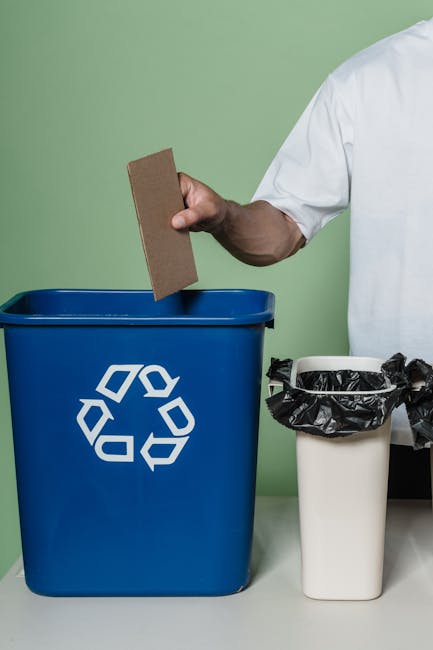
Haringey Council rules for bulky waste and cleaning disposal: a practical local guide
If you have an old mattress in the hallway, a broken wardrobe leaning against the wall, or a pile of cleaning waste that needs handling properly, the rules can feel annoyingly unclear. That is exactly why this guide exists. The Haringey Council rules for bulky waste and cleaning disposal affect what you can leave out, what must be booked, what should be recycled, and what simply should not be dumped at all. Get it wrong and you can end up with missed collections, extra costs, blocked communal spaces, or a very awkward conversation with neighbours. Get it right, and the whole job becomes much less stressful.
This article breaks the process down in plain English, with practical advice for households, landlords, tenants, letting agents, and local businesses. We will cover bulky items, cleaning-related waste, the usual mistakes, safer disposal options, and how to plan a clearance without creating a mess you will later regret. Truth be told, most problems are avoidable with a bit of planning.
- Why the rules matter
- How bulky waste and cleaning disposal works
- Key benefits and practical advantages
- Who needs this and when it makes sense
- Step-by-step guidance
- Expert tips for better results
- Common mistakes to avoid
- Tools, resources and recommendations
- Law, compliance and best practice
- Options and comparison
- Real-world example
- Practical checklist
- Conclusion
- Frequently asked questions
Why Haringey Council rules for bulky waste and cleaning disposal Matters
Bulky waste rules are not just admin. They are there to keep streets tidy, reduce fly-tipping, protect public health, and make sure recyclable material is not thrown away unnecessarily. In a busy borough like Haringey, where bins, pavements, shared entrances, and rear access routes can already be tight, one badly timed disposal can create a real nuisance for everyone nearby.
Cleaning disposal matters for a different reason too. After a deep clean, move-out clean, or clearance, people often end up with packaging, broken equipment, used cloths, vacuum dust, spent detergent containers, and general waste that needs sorting. It is easy to assume "it's all rubbish", but some items can be recycled, some need special handling, and some should never go in the wrong bin. That distinction helps you stay on the right side of local rules and keeps disposal costs sensible.
There is also a practical angle. If you are a tenant leaving a property, a landlord preparing for reletting, or a homeowner clearing a room before a renovation, the way you dispose of bulky items can affect everything else: timing, access, storage, cleanliness, even how the property looks when the work is done. A clean hallway with no stray mattress foam or torn packaging feels completely different from a rushed job done at 10pm with no plan. You notice it straight away.
Expert summary: The safest approach is to separate bulky items, reusable goods, recyclable waste, and general cleaning waste before you dispose of anything. That simple habit prevents most issues.
How Haringey Council rules for bulky waste and cleaning disposal Works
In practical terms, the rules usually revolve around three questions: what the item is, how much of it you have, and where it can legally and safely go. Bulky waste generally means large household items that are too big for normal bins. Think sofas, wardrobes, beds, tables, washing machines, fridges, and similar items. Cleaning disposal covers the leftover waste generated by cleaning work, such as packaging, empty containers, dirty cloths, disposable PPE where used, and other non-hazardous residue.
For bulky waste, councils commonly require a booked collection or an approved disposal route rather than leaving large items on the pavement. That is sensible. A mattress left by the kerb might look harmless, but in reality it can get soaked, torn open, or attract more dumped items. Not ideal, and not especially neighbour-friendly either.
Cleaning waste is slightly different. Most domestic cleaning waste is straightforward general waste or recyclable material, but some items need extra care. For example, chemical containers, aerosols, bleach bottles, or strong cleaning products should not be treated casually. Always read labels, keep products in their original containers where possible, and never mix chemicals. If you are handling waste from a professional clean, the same principle applies: sort first, dispose second.
For larger projects, such as end-of-tenancy cleans, post-builder cleans, or house clearance jobs, planning matters more than the disposal method itself. A good sequence is usually: clear the bulky items, clean the property, then sort the waste from the cleaning process. That way you are not cleaning around rubbish piles or dragging dusty items back through freshly cleaned rooms.
If you run a business and need regular support, service planning can help. For example, a commercial premises may benefit from commercial cleaning alongside a disposal routine that separates reusable items from waste. Likewise, landlords and tenants often pair end-of-tenancy cleaning with careful clearance planning so the handover is smooth rather than last-minute chaos.
Key Benefits and Practical Advantages
Following the correct disposal route is not just about compliance. It brings a bunch of everyday benefits that save time and reduce hassle.
- Cleaner shared spaces: no blocked hallways, no piles in communal areas, and fewer complaints from neighbours.
- Lower risk of penalties or refused collections: items placed incorrectly are often rejected or reported.
- Better recycling outcomes: some bulky items contain materials that can be reused or recycled.
- Less stress on moving day: you are not scrambling to shift a sofa at the last minute.
- Improved safety: heavy items, broken glass, nails, and sharp packaging can injure people if left untidy.
- More professional property presentation: useful for landlords, letting agents, hosts, and cleaners.
There is another advantage people sometimes overlook: momentum. Once you have a system for bulky waste and cleaning disposal, the next clearance becomes much easier. You are not starting from zero every time. That matters if you manage multiple properties or run a hospitality business where turnaround time is tight. A smooth disposal process pairs naturally with services such as move-out cleaning, one-off cleaning, or even house clearance when a property needs a serious reset.
Who This Is For and When It Makes Sense
These rules matter for a lot more people than you might think. If you live in a flat with a narrow stairwell, they matter. If you have a house with a garden full of old furniture, they matter. If you manage rentals in Haringey, they matter a lot.
Typical situations include:
- moving out of a rented property and needing to clear bulky items responsibly
- disposing of damaged furniture after a flood, leak, or general wear and tear
- finishing a deep cleaning project and wanting to remove all waste properly
- clearing communal areas in blocks of flats or managed buildings
- preparing a property for sale, letting, or new tenants
- dealing with builders' leftovers after after builders cleaning
- sorting waste from regular upkeep in offices, shops, or hospitality spaces
For businesses, the issue is not just about one-off waste. Office refurbishments, room reconfigurations, broken fixtures, and old furniture can quickly create bulky waste that needs a proper route. In those cases, a service such as office cleaning can be useful alongside your disposal plan, especially if the work is being done while staff or customers are still around.
And if you are a homeowner thinking, "Can't I just sort it all later?" - yes, technically you can. But later is usually when the dust has settled in the wrong places and the hallway has become a storage unit. Happens all the time.
Step-by-Step Guidance
Here is a sensible process for dealing with bulky waste and cleaning disposal without making a mess of it.
- Identify the waste type. Separate bulky household items, reusable goods, recyclable materials, and cleaning waste.
- Check whether anything can be reused. A serviceable table, chair, shelf, or appliance may be better donated or sold than thrown away.
- Remove hazardous or sensitive materials first. Keep chemicals, sharp objects, batteries, and electrical items apart from ordinary rubbish.
- Measure and photograph bulky items. This helps if you are arranging collection, pricing, or access planning.
- Plan the route out of the property. Stairs, door widths, lifts, and parking can change the whole job.
- Protect clean areas. Use dust sheets, floor protection, and gloves if needed, especially around dirty furniture or loft items.
- Load waste in the right order. Heaviest and dirtiest items first, lighter and cleaner items last.
- Double-check sorting before disposal. It is much easier to fix a mistake before collection than after.
If the property needs cleaning as well as clearance, do the dirty removal work first and the finishing clean after. That sounds obvious, but in practice people often rush the order and end up cleaning the same room twice. Small frustration, big waste of time.
For move-related jobs, many households pair disposal planning with move-in cleaning or domestic cleaning so the property is ready at the same time the rubbish is gone. It makes the whole place feel properly finished rather than half-done.
Expert Tips for Better Results
A few simple habits make bulky waste disposal and cleaning waste handling much easier.
- Break down what you can. Flat-pack furniture, cardboard, and disassembled shelving are easier to sort and move.
- Keep a waste station. One box for recycling, one bag for general waste, one area for items to donate or keep. Nice and simple.
- Use sturdy gloves. Old furniture often hides staples, broken edges, and dust you really do not want on your hands.
- Don't overfill bags. A half-tied bag is more likely to split in the hallway. And yes, it always seems to happen on the stairs.
- Take cleaning products seriously. Store them upright, cap them properly, and keep incompatible chemicals apart.
- Label anything uncertain. If you are unsure whether an item is recycling, general waste, or special waste, pause and check before mixing it in.
- Leave yourself time. Late-night disposal is where mistakes happen. There is something about 11pm that makes people oddly optimistic.
For properties that need a fuller reset, a combined approach works best. For example, a family moving out might remove bulky furniture, then book move-out cleaning to handle the kitchen, bathrooms, skirting boards, and dusty corners that always appear when the sofa is gone. That sequence is usually much calmer.
Common Mistakes to Avoid
Most disposal problems come from the same few habits. Avoid these and you are already ahead of the curve.
- Leaving bulky items outside too early. This can create obstruction and may not be permitted.
- Mixing cleaning chemicals. Never combine products in the hope of making them "stronger". That is a bad idea, full stop.
- Putting electrical items in the wrong place. Many need separate handling or specialist recycling.
- Assuming all waste can go together. Recyclables, general rubbish, and hazardous residues are not the same thing.
- Ignoring access issues. A collection plan that works in a driveway may fail in a top-floor flat.
- Forgetting about communal rules. Managed buildings often have their own expectations for storage and removal.
- Trying to do everything in one rush. That is how corners get cut and bins get filled with the wrong stuff.
One of the most common mistakes after a clean is treating every cloth, pad, and bottle as disposable waste. Often they are not. Some cloths can be washed and reused, some packaging can be recycled, and some containers should be rinsed according to product instructions before disposal. It sounds fiddly, but it becomes second nature very quickly.
Tools, Resources and Recommendations
You do not need fancy equipment for most household disposal jobs. A few basic tools and a clear system make a huge difference.
- Heavy-duty refuse sacks: useful for cleaning waste, soft rubbish, and packaging.
- Work gloves: better grip, less mess, fewer scrapes.
- Dust sheets or old towels: helpful when moving dirty furniture through clean rooms.
- Marker pens and labels: ideal for marking "recycle", "keep", "donate", or "dispose".
- Measuring tape: saves time when bulky items need to pass through tight spaces.
- Waste sorting boxes: simple, but very effective.
If you want to work in a more organised way, pair disposal planning with cleaning planning. For instance, if you are refreshing a tired living room, you may combine waste removal with carpet cleaning, sofa cleaning, or upholstery cleaning once the bulky items are out. It gives you a proper before-and-after result instead of a halfway tidy room.
For ongoing upkeep, some people prefer scheduled support rather than one-off clearances. A regular cleaning routine can reduce the amount of waste that builds up over time, which in turn makes disposal simpler. Little jobs stay little jobs.
Law, Compliance, Standards, or Best Practice
Waste disposal in the UK is shaped by general duties around safe handling, proper sorting, and avoiding fly-tipping or nuisance. Local councils set collection rules and service conditions, while householders and businesses are expected to dispose of waste responsibly. The detail changes depending on the waste type, so it is always safer to treat uncertain items carefully rather than guessing.
Best practice usually means:
- keeping waste within the proper collection route or authorised facility
- separating recycling from general waste where possible
- handling chemicals and sharp items with extra care
- not obstructing public walkways, shared entrances, or fire routes
- making sure waste from cleaning work is not mixed with anything that could contaminate recyclables
For landlords, letting agents, and businesses, there is also a reputation angle. If waste is handled badly, the property can look neglected even if the cleaning itself was excellent. That is why disposal and cleaning should be treated as one workflow, not two separate afterthoughts.
Where professional cleaners are involved, it is sensible to work with providers who take health and safety seriously. You can review practical standards and expectations on pages such as health and safety policy, insurance and safety, and recycling and sustainability. Those pages help set the tone for careful, responsible work.
Options, Methods, or Comparison Table
There is usually more than one way to handle bulky waste and cleaning disposal. The best option depends on volume, item type, access, time pressure, and whether you are dealing with ordinary rubbish or something more awkward.
| Method | Best for | Strengths | Watch-outs |
|---|---|---|---|
| Council bulky waste collection | Single or small numbers of large household items | Simple, local, suitable for routine household disposal | Needs booking, item rules can be strict, not ideal for mixed loads |
| Reuse, donation, or resale | Usable furniture and appliances | Best environmental outcome, can reduce disposal costs | Items must be presentable and safe to pass on |
| House clearance | Large volumes, estate clearances, full property resets | Efficient for lots of items at once | Needs good sorting and clear instructions |
| Mixed cleaning and disposal planning | End-of-tenancy, builders' work, deep cleans, turnovers | Keeps the property presentable and avoids rework | Requires sequencing and a bit of coordination |
If your job is mainly about restoring a property rather than emptying it, services like one-off cleaning or after builders cleaning can sit alongside waste removal very neatly. The right method is the one that leaves the property safe, tidy, and usable without overcomplicating the job.
Case Study or Real-World Example
Imagine a two-bedroom flat in Harringay after a tenancy ends. There is a damaged bed base in one room, a worn sofa in the living room, a stack of cardboard boxes from a recent delivery, and a kitchen full of the usual residue from moving day: tape, empty spray bottles, a few cloths, and a surprising number of lost charger cables. Nothing dramatic. Just one of those real-life jobs that looks easier from the outside than it actually is.
The sensible approach would be to sort the items first. The bed base and sofa are bulky waste. The cardboard goes for recycling if clean and dry. The spray bottles are checked before disposal. The cloths are bagged as general waste if they cannot be reused. Then the space is cleaned properly, with attention to the skirting, corners, and the patch where the sofa had been sitting for years and had somehow left a ghost outline on the carpet. You know the one.
By separating the stages, the flat is easier to clear, easier to clean, and easier to hand over. If the owner then wants a final refresh, house cleaning or regular cleaning can help maintain the standard after the bulky items are gone. That sequence keeps the whole process calm, rather than frantic.
Practical Checklist
Use this checklist before you dispose of bulky waste or cleaning waste in Haringey.
- Have I identified each item correctly?
- Can any item be reused, donated, or sold?
- Have I separated recycling from general waste?
- Are cleaning chemicals stored safely and still in original containers?
- Have I kept sharp, broken, or electrical items apart?
- Do I know the access route for moving bulky items out?
- Have I protected floors, walls, and door frames?
- Am I leaving anything on shared landings, pavements, or entrances?
- Is the final space ready for cleaning after disposal?
- Do I need help from a professional clearance or cleaning service?
If you tick most of those boxes, you are in good shape. If not, pause and sort it out now. It will save you time later, and probably a bit of stress too.
Get a free quote today and see how much you can save.
Conclusion
The main thing to remember is simple: Haringey Council rules for bulky waste and cleaning disposal are there to keep waste safe, controlled, and manageable. Once you understand what counts as bulky waste, how cleaning waste should be sorted, and why timing matters, the whole process becomes much easier. A good disposal plan protects the property, helps the environment, and keeps everyone on better terms. That is worth doing properly.
Whether you are clearing a flat, preparing a family home, managing a rental, or resetting a business premises, the smart move is to treat waste removal and cleaning as part of one joined-up job. Do that, and you will avoid a lot of unnecessary faff. And honestly, who needs more faff?
When in doubt, slow down, separate the waste, and keep the final result in mind: a space that is clean, safe, and ready for whatever comes next.
Frequently Asked Questions
What counts as bulky waste in Haringey?
Bulky waste is usually anything too large for normal household bins, such as sofas, wardrobes, mattresses, beds, tables, chairs, and some appliances. If it is awkward to carry or too big to fit in standard collection containers, it probably counts as bulky waste.
Can I leave bulky waste on the pavement before collection?
Not without checking the collection rules first. Leaving items outside too early can create obstruction, attract fly-tipping, or cause complaints from neighbours. It is better to follow the approved collection process and timing.
How should I dispose of waste from cleaning products?
It depends on the product. Empty containers, cloths, and packaging may be handled differently from chemicals, aerosols, or contaminated materials. Keep cleaning products in their original containers where possible and never mix chemicals.
Are used cloths and sponges classed as general waste?
Often, yes, if they are no longer reusable and are not contaminated with anything hazardous. But if they have been used with strong chemicals or specialist products, handle them carefully and keep them separate from recycling.
What is the best option for a single mattress or sofa?
For one or two items, a booked bulky waste collection or a reuse option is often the simplest route. If the item is still usable, donation or resale may be the better answer. If it is damaged, disposal is the safer choice.
Do I need a house clearance service for a small amount of waste?
Usually not. For a few bulky items, a simpler collection method may be enough. House clearance is more useful when there is a larger volume, limited time, or a property that needs clearing in one go.
Can cleaning waste and household rubbish go in the same bag?
Sometimes, but only if the items are genuinely suitable to be disposed of together. Recyclable materials should stay separate where possible, and chemicals or sharp items should never be mixed casually with ordinary waste.
What should landlords watch out for after tenants move out?
Landlords should check for bulky items left behind, mixed waste, damaged furniture, and any cleaning residue that could slow reletting. A clear waste plan plus a final clean usually prevents delays and makes the property easier to present.
How do I handle waste after an after-builders clean?
After builders' waste often includes dust, packaging, offcuts, and debris. Remove the heavier items first, then sort the smaller waste into recycling and general rubbish. A proper after-builders clean works much better when the waste has already been cleared.
Is it worth combining disposal with professional cleaning?
Yes, in many cases it saves time and gives a better result. For example, waste removal followed by deep cleaning or move-in cleaning can leave a property genuinely ready to use rather than just "less messy".
What is the most common mistake people make?
The most common mistake is rushing and mixing everything together. Once bulky items, recyclables, and cleaning waste are separated properly, most of the stress disappears. It sounds basic, but it really is the difference between a smooth job and a frustrating one.
Where can I get help if the job is too big to handle alone?
If you are dealing with a full property reset, a difficult clearance, or a post-move clean, it can help to speak to a local cleaning team that understands disposal planning as well as cleaning. For further details about service standards and getting started, you can review pricing and quotes or visit contact us.